
Restorative Care for Damaged or Missing Teeth
A broken tooth can change how you eat. A gap can make you hesitate before smiling. Restorative dentistry covers care for damaged teeth and replacements for teeth that are missing. At Modern Touch Dental in East Rockaway, you can discuss crowns, bridges, implants and dentures with the team and arrange an evaluation.
Request an appointment
You do not need to arrive knowing which treatment to choose. Tell us what has changed, what feels uncomfortable and what you hope to do more easily. Contact the office to request a visit.
Explore your care options
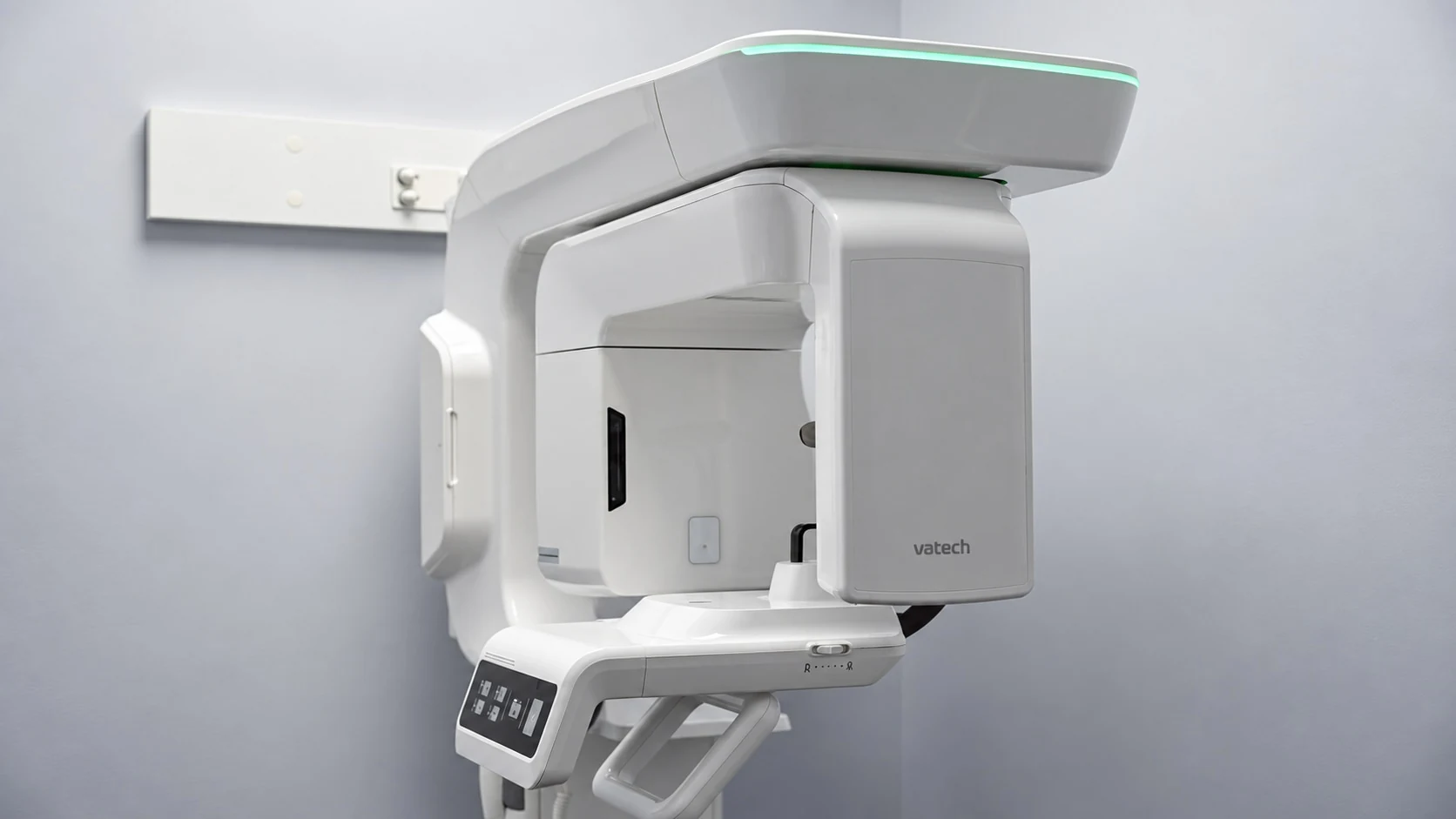
Dental Implants
If you are considering an implant for a missing tooth, the first appointment is a chance to find out whether it suits your mouth and your health. Modern Touch Dental in East Rockaway offers dental implant care. Contact the team to discuss an evaluation, the care being considered and who would be involved.
Dental Crowns
When a tooth has broken or an old restoration is causing concern, it helps to understand what is still healthy before choosing the next step. A crown is one way to restore a tooth, but the recommendation should be based on an examination of that tooth.
Dental Bridges
A gap between teeth can affect how you chew and how you feel about your smile. A dental bridge is one option to discuss when replacing a missing tooth. Its suitability depends on the gap and the structures that would support the replacement.

Dentures
Missing teeth can make familiar meals difficult and change the way you speak. If you are considering dentures, or the ones you wear no longer feel comfortable, an evaluation can help you understand the choices.
Start with the tooth, then compare the options
A treatment name does not explain why it suits a particular mouth. Before comparing a crown with a bridge or an implant, ask whether the tooth is still present, how much healthy structure remains and what is supporting it. A dentist also needs to consider the neighboring teeth and gums.
Bring any recent treatment plan you have received, along with questions about it. If another office has recommended several procedures, you can ask which concerns need attention first and whether the work can be planned in stages. A second opinion requires an examination and relevant records; a photograph alone may not answer the question.
Repairing a tooth that is still there
Restorative materials can replace parts of a damaged tooth or cover it with a separate restoration. The size and location of the damaged area influence the choice. A filling and a crown involve different amounts of tooth coverage, so it is worth asking why one is being recommended. NIDCR explains how dental materials are used to repair and replace teeth.
A dental crown covers a prepared tooth and can help support a tooth with substantial damage. It may also be used after other dental treatment. A crown does not answer every problem inside a tooth, however. If the tissue within a tooth needs care, your dentist may discuss root canal treatment as part of the plan. The evaluation determines whether a tooth can be restored.
Replacing a missing tooth
Different replacements place different demands on your mouth and your daily routine. A bridge fills a gap with artificial teeth and relies on supporting structures. An implant is placed in the jaw to support a replacement tooth. A removable denture replaces missing teeth in an appliance you take out for cleaning. These broad categories are described in the ADA's guide to missing teeth.
The practical questions matter as much as the name. Would you prefer a fixed or removable replacement? What will cleaning involve? Are you comfortable considering surgery? How will the option affect teeth beside the gap? Your answers help make the discussion more specific.
Read about dental bridges, dental implants and dentures before your visit if you would like to compare them in more detail.
What a treatment discussion should cover
Begin with the concern that brought you in. Mention whether it affects chewing, whether a restoration feels loose or whether you have been avoiding a particular area of your mouth. You can also explain what you liked or disliked about previous dental work.
After examining you, a dentist can explain the findings and any further information needed. Ask to see which tooth or area the recommendation concerns. A useful discussion includes what the proposed care is intended to accomplish, its limitations and the alternatives worth considering.
Before agreeing to a plan, ask about the sequence of appointments. If a temporary restoration is needed, find out how it differs from the final one and who to contact if there is a problem. The office should confirm your individual schedule; a general description online cannot set your completion date.
Request an appointment if you would like help comparing these choices.
Function, appearance and ongoing care
A restoration may help you chew more comfortably or replace a visible gap, but the expected result depends on the starting condition. Tell your dentist which change matters most to you. Someone concerned about a front tooth may have different priorities from someone who cannot comfortably chew on one side.
Ask how the proposed shape and appearance will be discussed before the restoration is finished. Photographs of other people cannot predict your result. A treatment plan should also explain what upkeep the restoration will need and whether adjustments or replacement could be necessary later.
Keeping the surrounding teeth and gums healthy remains part of restorative care. Ask for cleaning instructions that fit the restoration you receive, especially if you find flossing or handling small cleaning tools difficult.
Cost, insurance and payment questions
Request a written estimate for the proposed treatment. Check whether it includes preparatory care, temporary work and the final restoration. When comparing two plans, make sure they address the same teeth and the same stages of care.
Insurance benefits depend on the exact plan and proposed procedure. Use Check Your Insurance to start the discussion with the office. A listed insurance company does not establish coverage for a particular restoration. If you need help planning payments, ask about the practice's financing options and review any terms before applying.
Questions patients ask
Can I choose the treatment before the examination?
You can share your preference and ask about it. The dentist still needs to determine whether it is suitable and explain any reasons to consider something else. You can request clarification before deciding.
Does every damaged tooth need a crown?
No. The amount of remaining tooth and the type of problem affect the recommendation. A crown can support certain weakened or broken teeth, but an examination is needed to decide whether it is appropriate.
Can several concerns be discussed at the same visit?
Tell the office what you would like reviewed when arranging the appointment. Ask how much can be covered and whether another visit or records from a previous dentist will be needed.
What should I bring?
Bring your insurance information, a current medication list and any written treatment proposal you want to discuss. Ask the office how relevant dental records should be transferred. Avoid sending sensitive health documents through a general website message.
Visit Modern Touch Dental
Our office is at 426 Atlantic Ave, East Rockaway, NY 11518. Call (516) 786-0134 or contact the team to request a restorative consultation. The office will confirm availability and appointment details.
Office hours
- Monday–Wednesday
- 9:30 am–7 pm
- Thursday
- 9 am–5 pm
- Friday
- 9 am–6 pm